Keith Miller got two parking fines from a camera in Miramar. He got them cancelled by proving his own innocence.
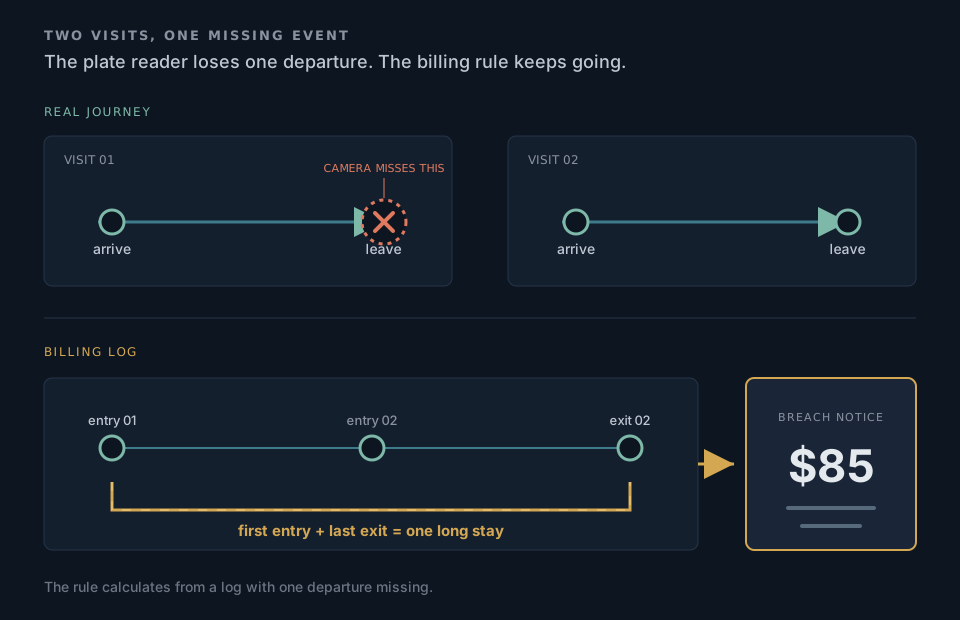
Miller shopped at New World Miramar in December, then visited again in January. Smart Compliance Management runs the number plate cameras in the car park. Its system missed one departure and joined the entry from one trip to the exit from another. It billed him for the hours between them.
He told Stuff the system had "critical flaws" and caught too many innocent people. His appeal worked because he could show his car parked outside his house between the two visits.
I spent six years working on billing platforms at Vend. Once software writes a number onto an invoice, support treats it as fact. The angry customer reaches them, while the logs and assumptions sit somewhere else.
Smart Compliance held the camera data and gave Miller the homework.
One missing departure
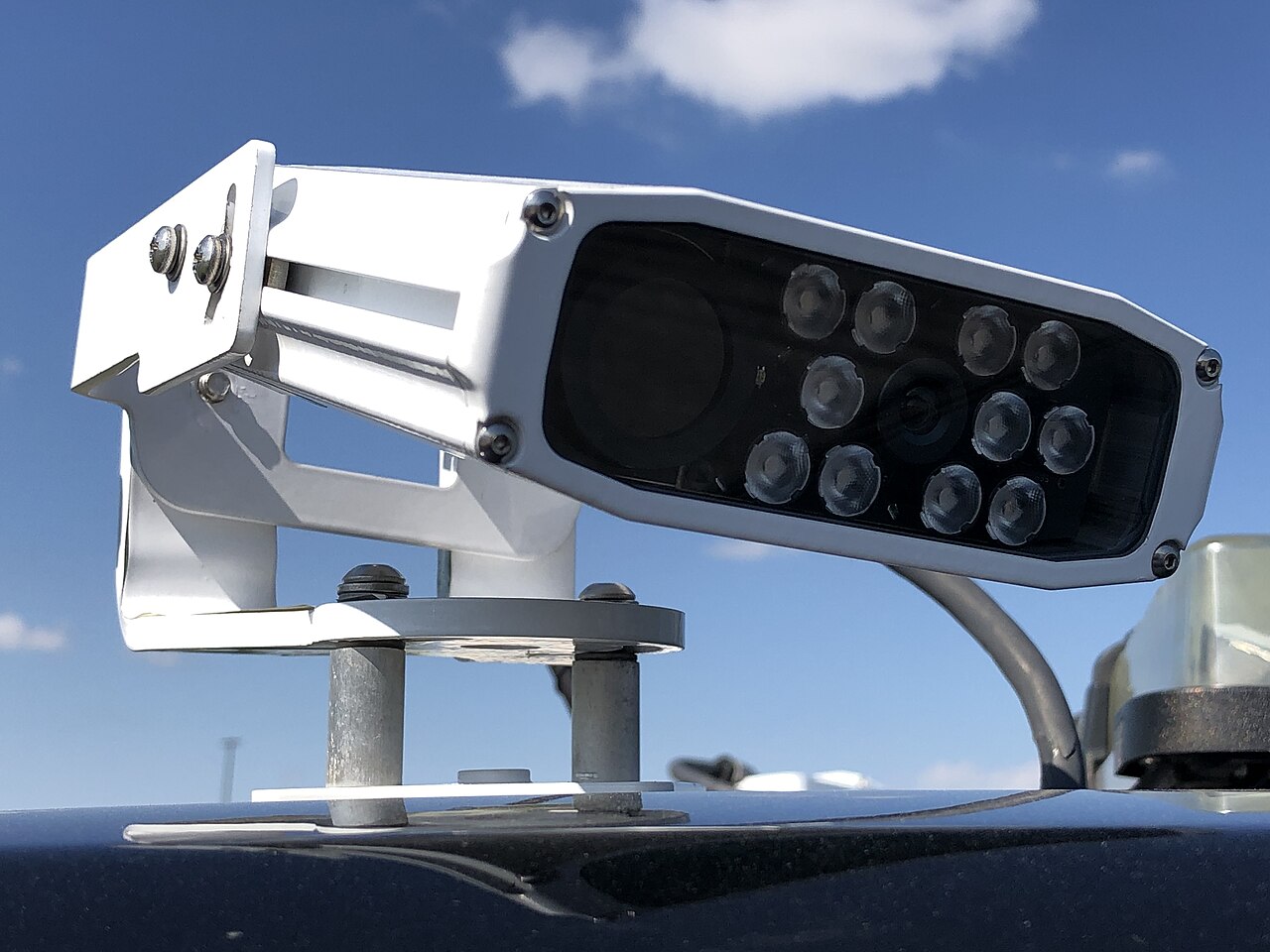

Smart Compliance's setup does two jobs. A camera model reads the plate, then an ordinary billing rule subtracts the entry time from the exit time.
Plate recognition has an error rate because another car can block the view or dirt can hide a character. Drivers in Belmont, County Durham hit the same failure in 2022, at a car park run by the same company. The BBC reported hundreds of £60 charges because the camera "thinks the car was there and it definitely wasn't".
The billing rule still returns a number when the event log is missing a departure. The team building that rule has to decide what a gap means. This one treated the log as complete and sent a breach notice.
Drivers can appeal, although the process costs time they may not have. Older drivers in Belmont told the BBC they paid because arguing cost more than the fine.
Section 137 presumes the machine worked
Section 137 of our Evidence Act 2006 covers evidence produced by a machine, device or technical process. If that kind of system ordinarily does what a party claims, a court presumes it did so on this occasion unless someone supplies evidence to the contrary.
Miller's parking appeal never reached a court, so section 137 did not decide his fine. Smart Compliance followed the same default: accept the output, then ask the accused person to find the contrary evidence.
That presumption suits a speedometer or a breathalyser with a known calibration process. Software can produce evidence by applying a rule to incomplete data. A model can also return a score that no physical instrument measured.
England and Wales use a similar common-law presumption. The Post Office relied on data from its Horizon accounting system to prosecute postmasters for losses that did not exist. Bugs in Horizon showed phantom shortfalls, and people who could not inspect the system pleaded guilty, paid the money or went to prison.
The Horizon inquiry found that Post Office staff knew the system could make errors while the organisation maintained the fiction that its data was accurate. Courts convicted many hundreds using Horizon evidence, and the Post Office held thousands liable for losses that never happened.
The inquiry also heard about 13 people whose families attributed their deaths by suicide to Horizon. Sir Wyn Williams said he could not make a definitive causal finding, but he would not rule it out.
Australia's Robodebt scheme used arithmetic too. The government divided annual income by 26 fortnights and treated the result as a debt. Its Royal Commission called the scheme "a crude and cruel mechanism".
Auditors could inspect the rules behind both systems. The people accused by them still lacked the access and money to do it.
Seventy-three candidates
Facial recognition can run as designed and return the wrong person.
Detroit police ran grainy shop security footage through facial recognition, selected Robert Williams, then arrested him outside his house in front of his family. The city settled his case and changed its policy. Police now need independent evidence before they can turn a face match into an arrest.
Porcha Woodruff was eight months pregnant when Detroit police arrested her over a carjacking. She spent ten hours in custody and had contractions after her release. Prosecutors dropped the charges.
The court order in her civil case records the chain. A facial search returned 73 candidates. An analyst chose Woodruff as the lead, and two colleagues approved the choice. The carjacking victim then picked her from a photo lineup. Police got a warrant.
The judge called the arrest troubling, then dismissed Woodruff's claims at summary judgment because her lawyer had not shown that the officer lacked probable cause under current law. Woodruff appealed, and that case remains pending.
Several people turned one of 73 candidates into probable cause. A malfunction test would miss the blurry source image and everything police did with the candidate list.
Someone picked 92.5%

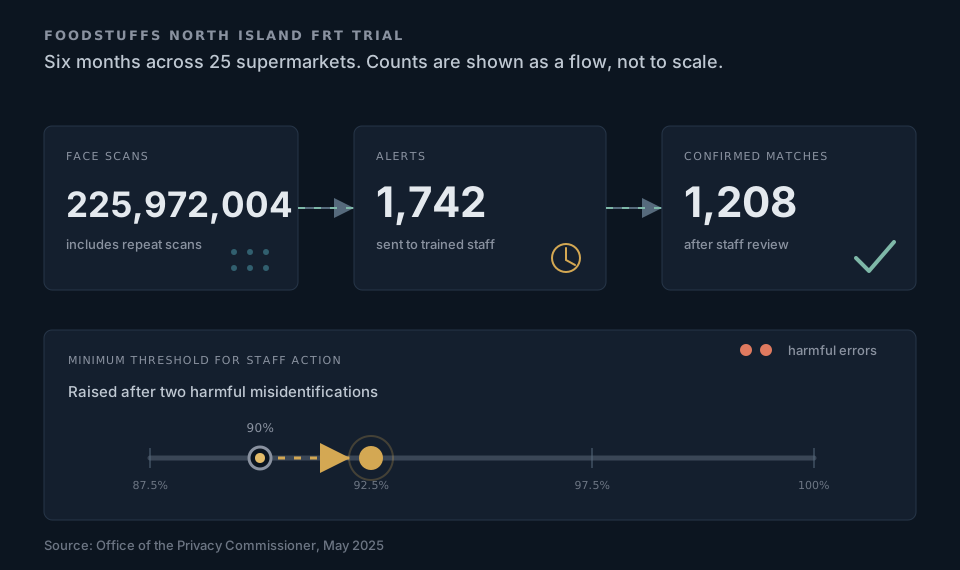
Foodstuffs North Island scanned 225,972,004 faces across 25 supermarkets during its six-month trial. The system produced 1,742 alerts, and staff confirmed 1,208 matches.
The system falsely matched Te Ani Solomon, a Māori woman shopping at New World Westend in Rotorua on her 47th birthday. She offered staff three forms of ID. They still made her leave. Foodstuffs apologised and called it human error.
Foodstuffs blamed human error. It chose the model and threshold, while store staff built the watchlist and acted on alerts.
The trial started with a 90% match threshold. After two harmful misidentifications, Foodstuffs raised the minimum for staff action to 92.5% and tightened its process. The Privacy Commissioner found no similar harmful incident after those changes.
The Commissioner's inquiry found that the trial complied with the Privacy Act. It estimated a 16% reduction in serious harmful behaviour, and warned readers not to apply that figure beyond the trial. Two trained staff had to verify an alert before anyone acted.
Retail workers get assaulted, and the trial suggests the system helped. It also put innocent customers in front of staff who thought a computer had already identified them.
Foodstuffs still decides how many false matches it will tolerate, and a customer pays for each one.
The UK Ministry of Justice opened a call for evidence in 2025 after Horizon. It proposed separating material a device captures from evidence software generates. A photograph would sit on one side. An accounting balance or automated fraud score would sit on the other. The call has closed, and the government has not published a response.
Our Law Commission has started preparatory work on automated government decisions. It says New Zealand has no single legal framework for agencies using these systems.
Section 137 belongs in that work. Anyone who wants to use a generated score against a person should show where it came from and what they did to check it.
Keith Miller had a photo of his car at home, so he got his $85 back. I'd rather Smart Compliance proved the stay before it sent the letter.